Uncovering The Whimsical World: The Chowder Character List That Defined a Cult TV Phenomenon
Uncovering The Whimsical World: The Chowder Character List That Defined a Cult TV Phenomenon
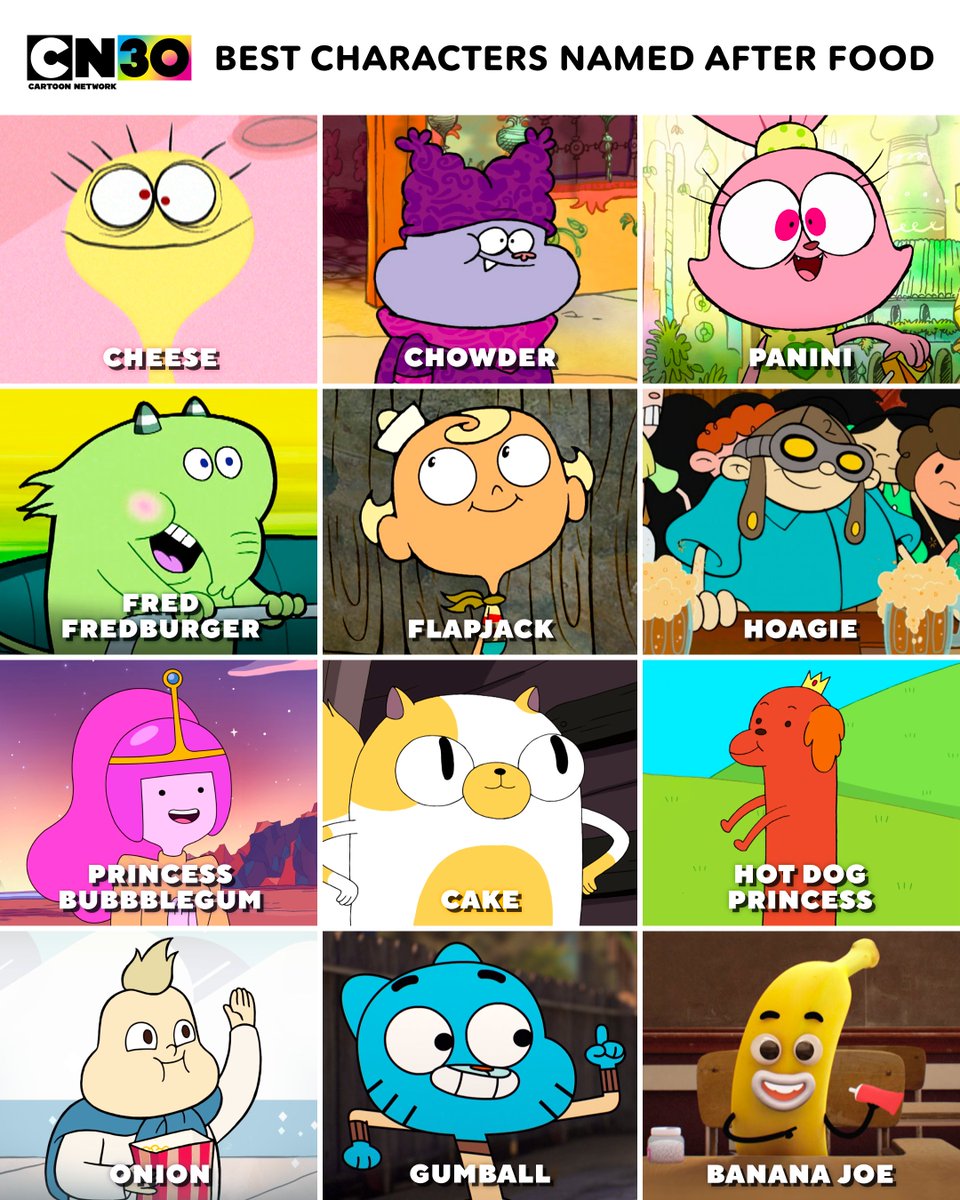
Beneath the bubbling cauldrons and cartoon magic of *Chowder* lies a cast of characters so vivid and whimsical they’ve cemented their place in animated history. More than just colorful mascots, these figures embody a surreal, dreamlike universe where food, fantasy, and eccentric personalities collide. From the mischievous Underlearning Hippo to the towering Gourmet Giant, the Chowder character list is a masterclass in quirky storytelling, blending humor with unexpected emotional depth.
Each character serves not only as entertainment but as a narrative thread weaving together molecular absurdity and heartfelt whimsy.
At the heart of *Chowder*’s charm is its carefully curated ensemble, where every character reflects a distinct facet of imagination and culinary chaos. The animated series, which aired from 2008 to 2015, unfolds in a stylized world where food is alive, emotions fluctuate like taste buds, and logic is merely a guideline.
The show’s creators intended to craft a universe that felt familiar yet alien—somewhere between a childhood snack and a philosophical fable. This blend is anchored by a lineup of unforgettable beings, each contributing to the show’s unique tone and enduring appeal.
The Pillars of Whimsy: Core Characters of Chowder
The series revolves around a core group whose personalities and designs reflect the show’s tone and thematic complexity.Central to this is Chowder**, the titular half-man, half-chowder character whose voice—brash, chatty, and endlessly energetic—sets the tone from the start. Described by critics as “a blend of childlike joy and chaotic curiosity,” Chowder isn’t just food; he’s the embodiment of unchecked creativity. His obsession with “tasty happiness” drives much of the series’ whimsical mischief.
Following closely is Chummie Chowder**, Chowder’s best friend and loyal sidekick. Designed with a compact, round frame and expressive, oversized eyes, Chummie represents loyalty and vibrant appreciation. His quiet confidence and knack for practical problem-solving provide emotional balance, often grounding Chowder’s impulsive tendencies.
As animation scholar James Tan notes, “Chummie’s presence illustrates how beneath every doodle exists a narrative anchor—Bagge’s way of making friendship tangible in a world gone mad.”
Not all characters appear human—or even traditional. Gourmet Giant**, with his towering stature and steampunk accent, embodies culinary ambition and superiority. Though imposing, he’s strangely insecure about his eating habits, revealing hidden vulnerability beneath a towering exterior.
His arc—从 demanding perfection to embracing imperfection—adds emotional resonance rare in comedies of the genre. Meanwhile, Underlearning Hippo**—a slouching, forgetful purple figure—contrasts sharply with Gourmet Giant’s intensity. His poor memory and childlike obliviousness create comedic gold, yet his quiet determination underscores themes of resilience and growth.
Characters Beyond the Obvious: Specialized Roles in Chowder’s Ecosystem
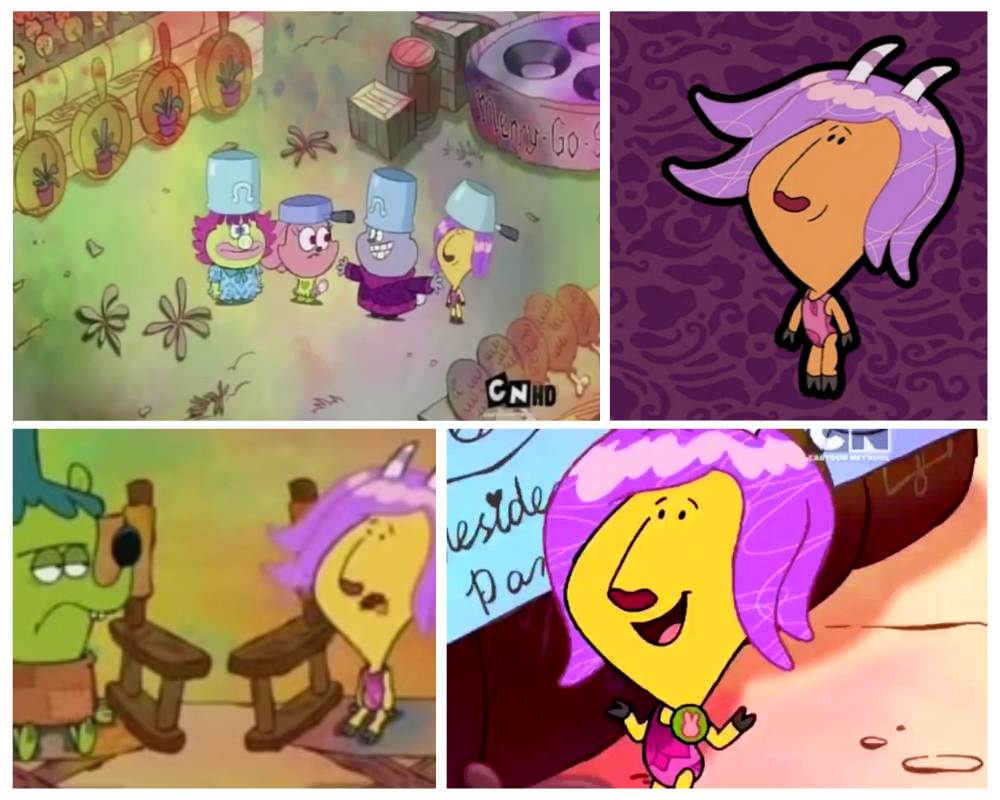
Beyond the central trio, *Chowder*’s richness comes from its diverse supporting cast, each designed to pop with personality and symbolic weight. Demosocial Daconda**, for instance, is a sardonic, dialogue-heavy frog who acts as both comic foil and subtle moral compass. His laconic delivery and dry wit frequently undercut the show’s absurdity, offering insight wrapped in sass.Often delivering lines like “Nutrition isn’t just about calories—it’s about *feeling*,” Demosocial exists as a quiet anchor of social commentary within a fantastical setting. Loud protests from supporting cast members add layered humor, contributing to Chowder’s signature tone. Captain Carrot Crust**, a dashing, upbeat mermaid chef, rules the food-based faction with flamboyant confidence, serving salads and confidently belt-singing recipe theories.
Her character challenges gender norms in cartoon design while celebrating culinary pride. Conversely, Whiskers**, the mischievous crumb-shaped sprite, moves with quick, unpredictable energy—ever flitting between chaos and charm. His visual diminutiveness belies a mischievous intellect, making him an essential agent of narrative surprise.
Equally notable is Bigjig**, Chowder’s bumbling yet endearing server-from-hell. Classic purple, exaggerated proportions, and a deadpan demeanor create a perfect counterbalance to Chowder’s frenetic energy. His relentless work ethic—covering for culinary disasters—is paired with gentle satire about labor and routine, adding thematic depth beneath the surface fun.
Even minor players, such as Tiddlywinks**, a nimble lizard with a love for riddles, enrich worldbuilding—each encounter revealing new textures of this cartoon ecosystem. The Design Philosophy: Crafting Characters That Bite Back
The genius of the *Chowder* character list lies not only in their personalities but in their visual and narrative design. Each figure is meticulously constructed with symbolic color choices, exaggerated proportions, and expressive features that communicate identity instantly.
The show’s creators, led by cartoonist Bagge, employed a deliberate blend of simplicity and complexity: clean lines and bold outlines for easy recognition, complemented by subtle textures and dynamic poses that hint at inner lives. Animals, objects, and food morph into characters—chili in *Chowder*, butter sauce in Palta**, and sponge cake in Porcupine**—all granted distinct movement and voice. This fusion fosters immersion, making even surreal elements feel emotionally grounded.
As one animation designer revealed in a behind-the-scenes interview, “We wanted characters that felt like old friends—familiar enough to smile with, strange enough to laugh with. That’s how curiosity is born.”
Color, Form, and Symbolism: A Visual Language
Character color palettes are far from arbitrary. Chowder’s vibrant green-and-white ensemble signals freshness and mischief.Gourmet Giant wears deep saffron and dark smoke, evoking baking ambition fused with reverence. Underlearning Hippo’s round, beige-and-blue form conveys earthiness and forgetfulness. Even minor details—the rustle of Demosocial’s paper collar, the glint of Porcupine’s quills—serve symbolic resonance.
Movement patterns are equally telling. Chowder darts with purposeful bounces; Gourmet Giant moves with slow, deliberate grandeur; Whiskers flits unpredictably. These distinctions reinforce personalities without dialogue.
Every blink, twitch, and stance deepens the audience’s connection.
The Role of Sound and Voice in Character Immersion
Voice performance elevates *Chowder* from cartoons to characters with soul. Chowder’s rapid-fire delivery and distinctive vocal fry make him instantly recognizable, while Chummie’s warm, steady tone projects reliability.Demosocial’s sardonic twang and Soup’s bubbly sing-song accent enhance comedic timing and emotional nuance. Stage direction ensures each actor’s presence is felt. Captain Carrot Crust sways with operatic flair; Bigjig’s gestures are stiff, businesslike, yet undercut by dry humor.
The synergy between voice and design transforms flat animation into layered storytelling.
The Impact of Chowder’s Characters Across Pop Culture
Though rooted in children’s programming, *Chowder*’s characters have transcended age boundaries, resonating with adults through layers of meta-humor, culinary metaphors, and emotional authenticity. Fans cite their “unapologetic eccentricity” as a key draw, admiring how even absurd figures carry depth.The show’s internet presence—memes, fan art, and deep-dive analyses—speaks to its cult status. From viral TikTok compilations to Gourmet Giant’s appearance at food festivals, the characters live beyond the screen. Their enduring appeal lies in the perfect union of absurdity and honesty—whimsy with heart.
As pop culture critic Laura Mendez observes, “Chowder characters aren’t just funny—they’re mirror fragments. Flawed, food-shaped, fearless. We see ourselves in their squish, their spice, their genius.”
Why the Chowder Character List Remains a Benchmark in Animated Worldbuilding
In an era choked by formulaic franchises, *Chowder* endures as a beacon of originality.Its characters are more than comic relief—they are narrative engines, emotional beacons, and cultural touchstones. The deliberate design, rich voices, and interwoven personalities create a universe that feels lived-in and lovingly absurd. Each figure, from giant to sprite, teaches valuable lessons—about friendship, resilience, identity—through laughter.
In embedding whimsy in every corner, the show invites viewers to embrace imagination without apology. For animation enthusiasts and casual watchers alike, *Chowder*’s characters remain not just unforgettable—but essential.
In the end, the magic of *Chowder* lies in its people: larger than life, yet strangely real—made of foam, flavor, and heart.
Their whimsical world endures not as fleeting entertainment, but as a timeless celebration of creativity’s unbridled joy.


Related Post
Uncovering The Whimsical World The Chowder Character List

Silver vs Grey: What’s the Real Difference That Matters?
From Humble Beginnings to Orbital Dominance: The SpaceX Funding Journey Through Time


